About me
The journey behind the mission

I’m Benita Olivier…
I’m a professor, research leader, and author who believes deeply that ambition and life do not need to compete. They can coexist — but only with intentionality.
I currently hold a dual role as Professor at Oxford Brookes University and Allied Health Professions Research Lead at Oxford Health NHS Foundation Trust in the UK. My work brings together academia, healthcare and applied research. I focus on building research capacity, supporting evidence-informed practice, and creating conditions in which people can do meaningful work without burning themselves out in the process.
Over the years, I’ve supervised and examined many postgraduate researchers, led research programmes, published widely, secured competitive funding, and served on national and international committees across health, sport and higher education. But what has stayed constant throughout my career is what people are capable of, as well as how much they carry while trying to live up to their potential.
“You are allowed to want more — without sacrificing your health, your relationships, or yourself. An ambitious life, lived calmly, is possible.”
Benita Olivier
Becoming a different kind of ambitious
My interest in sustainable ambition was shaped by lived experience.
I completed my PhD while raising two young children, working under real constraints, and navigating a system that often rewards achievement at the cost of wellbeing. Later, I set myself a clear professional goal: to become a full professor by the age of 40. Along the way, I faced multiple limiting factors — English was my second language, I had no nearby family support, my husband’s work involved frequent travel, and I carried a full academic workload.
Rather than seeing these as reasons to opt out, I focused on what was within my control: how I worked, how I managed my energy, and how I made decisions about what truly mattered. I was promoted to full professor at the age of 38 — something I had once quietly written down as a long-term goal.
That experience fundamentally shaped my philosophy: sustainable progress does not come from doing more, faster, at any cost. It comes from working differently.
Research, performance, and wellbeing as a common thread
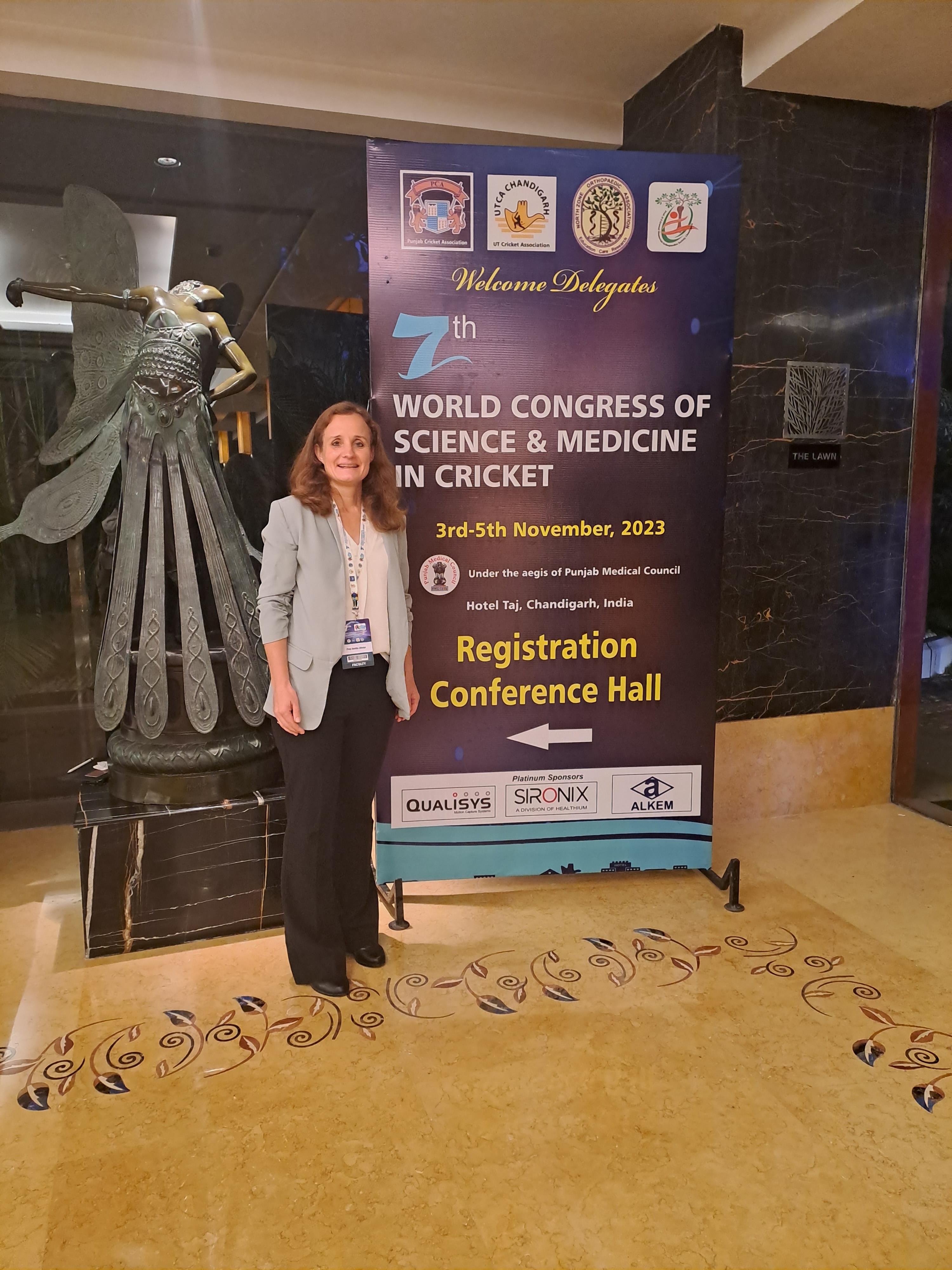
My academic research background is in sport and health sciences, with a particular focus on injury prevention and performance in cricket. I’ve spent many years working with athletes, clinicians and sporting organisations, and I’ve seen first-hand that performance cannot be sustained when the system is depleted.
Athletes cannot perform well when they are chronically injured, exhausted or unsupported — and neither can researchers, clinicians, or ambitious professionals.
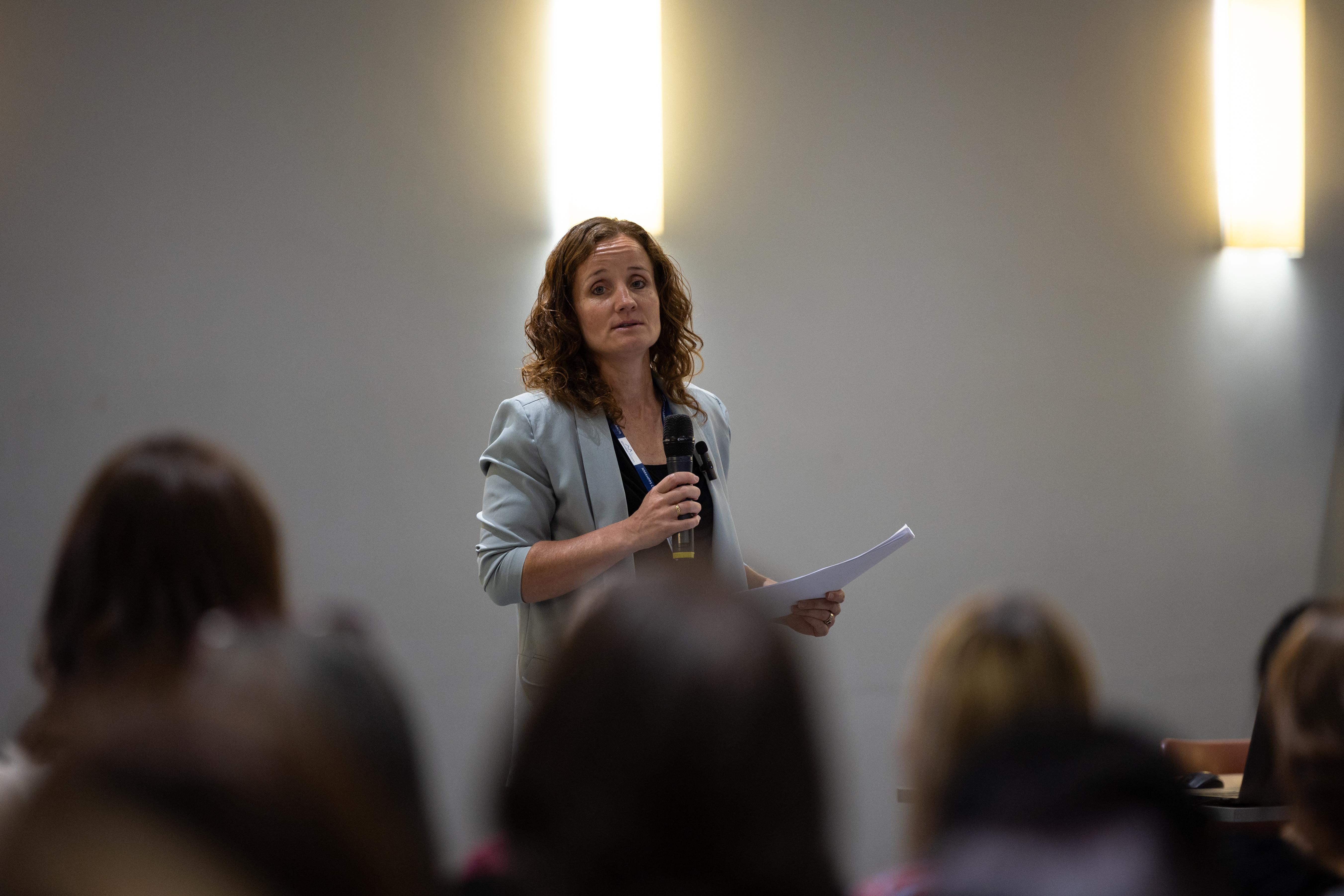
This parallel has become foundational to my work. Whether I’m leading healthcare research strategy, supervising doctoral students, or speaking to professionals outside academia, my focus remains the same: helping people protect their energy so they can perform well over time.
Putting sustainable ambition into practice
Alongside my academic and NHS leadership roles, I share wellbeing-informed productivity and ambition-focused thinking through my writing, teaching and online platforms. I publish a regular newsletter, Weekly Research Recharge. I share ideas on LinkedIn, through my blog Life & Academia, and on the Research Masterminds YouTube channel. I also speak across academic, healthcare and professional contexts.
I’m also the founder of Research Masterminds, a platform designed to support PhD students and early-career researchers with practical tools, guidance and reassurance during one of the most demanding phases of their careers.
At the heart of all of this is a simple belief:
Marginal gains, applied persistently, lead to high impact — consistently.
Why this matters
Through my work, I’ve sat alongside hundreds of ambitious people who care deeply about doing meaningful work, yet quietly worry about what it will cost them — their health, their relationships, or their sense of self.
My aim is to help people move from “Maybe I can’t” to “Maybe I can — and I don’t have to lose myself in the process.”
And that’s the work I’m here to do.